Footfall-driving local SEO for retail
Every physical store competes with every e-commerce site on the planet. The local SEO job is to win every search that can only be satisfied by a store. Today, nearby, in stock. And to make the experience of finding you effortless.

The problem
'Near me' beats 'online' only when you're discoverable
Retail's one advantage over e-commerce is immediacy. A customer who wants it today will pick a store that shows up for their query, has reviews, has photos, and has their opening hours correct. Miss any of those and they default to next-day delivery from somewhere that doesn't pay for a shop lease.
Inventory-aware searches ('is X in stock near me') are a growing query class.
Product photography on your GBP outperforms anything else for click-through.
Reviews that mention specific products or staff convert far better than generic 'nice shop' reviews.
Multi-location retailers need per-store visibility, not just chain-level averages.
How SearchOps fits
Rank locally, look good, stay consistent
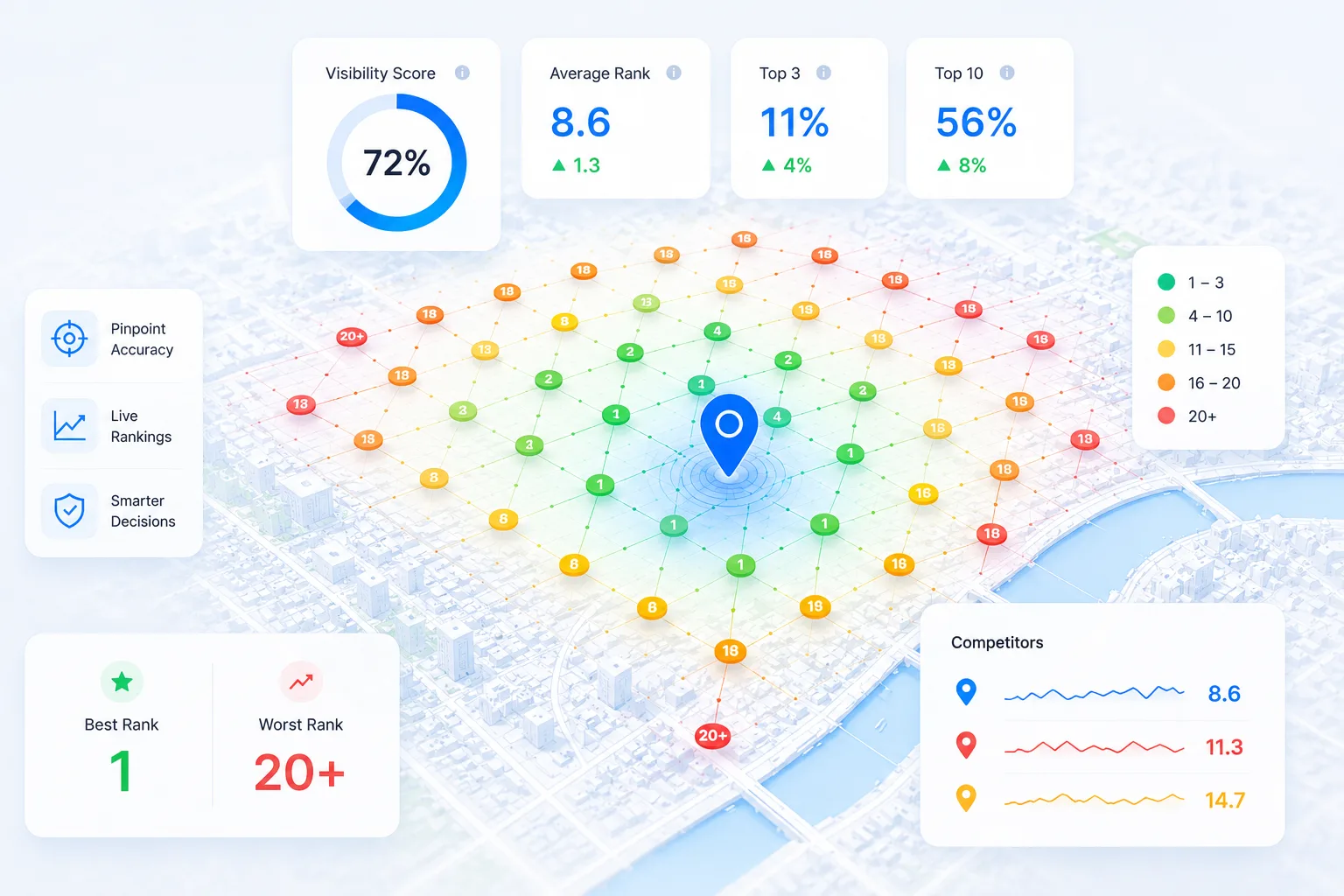
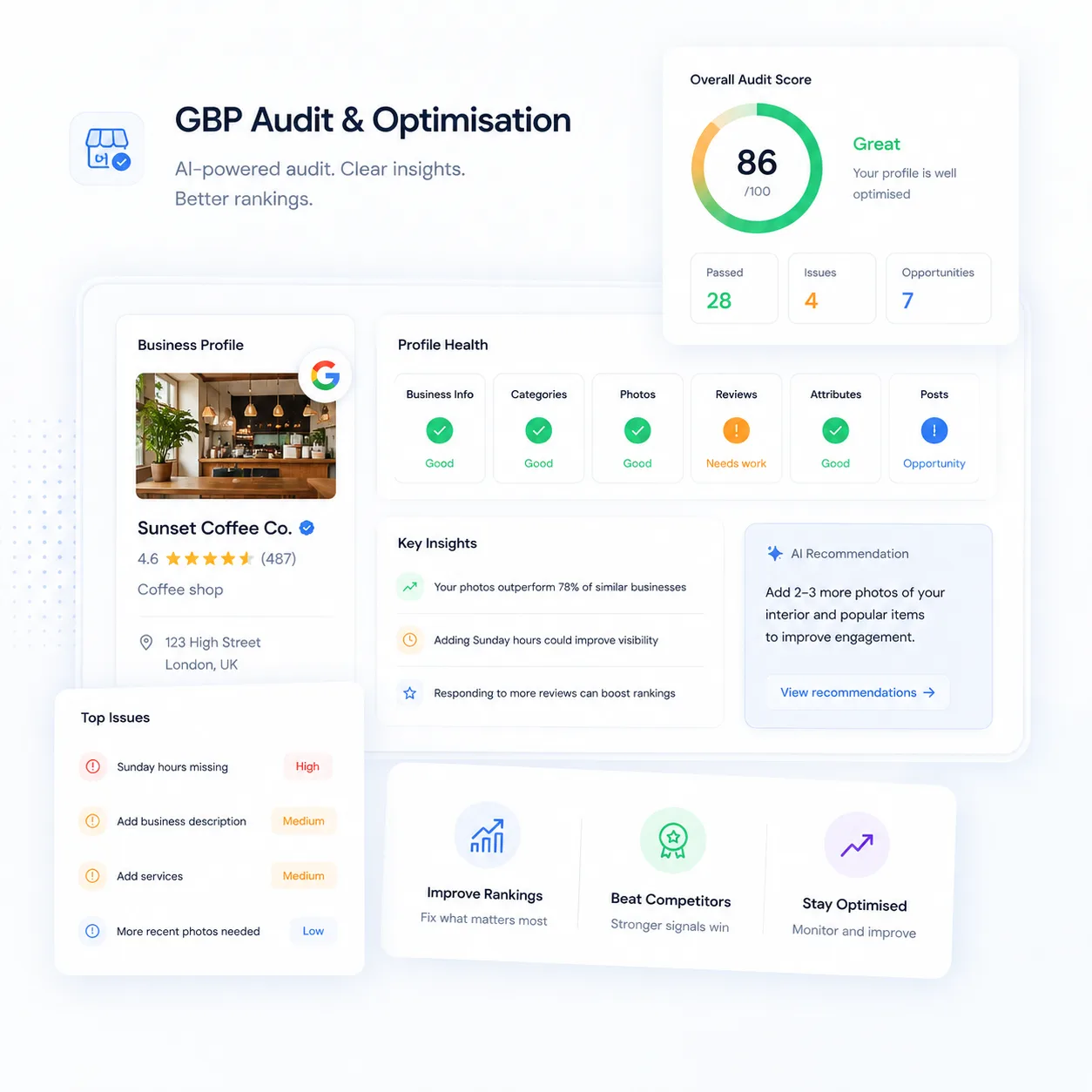
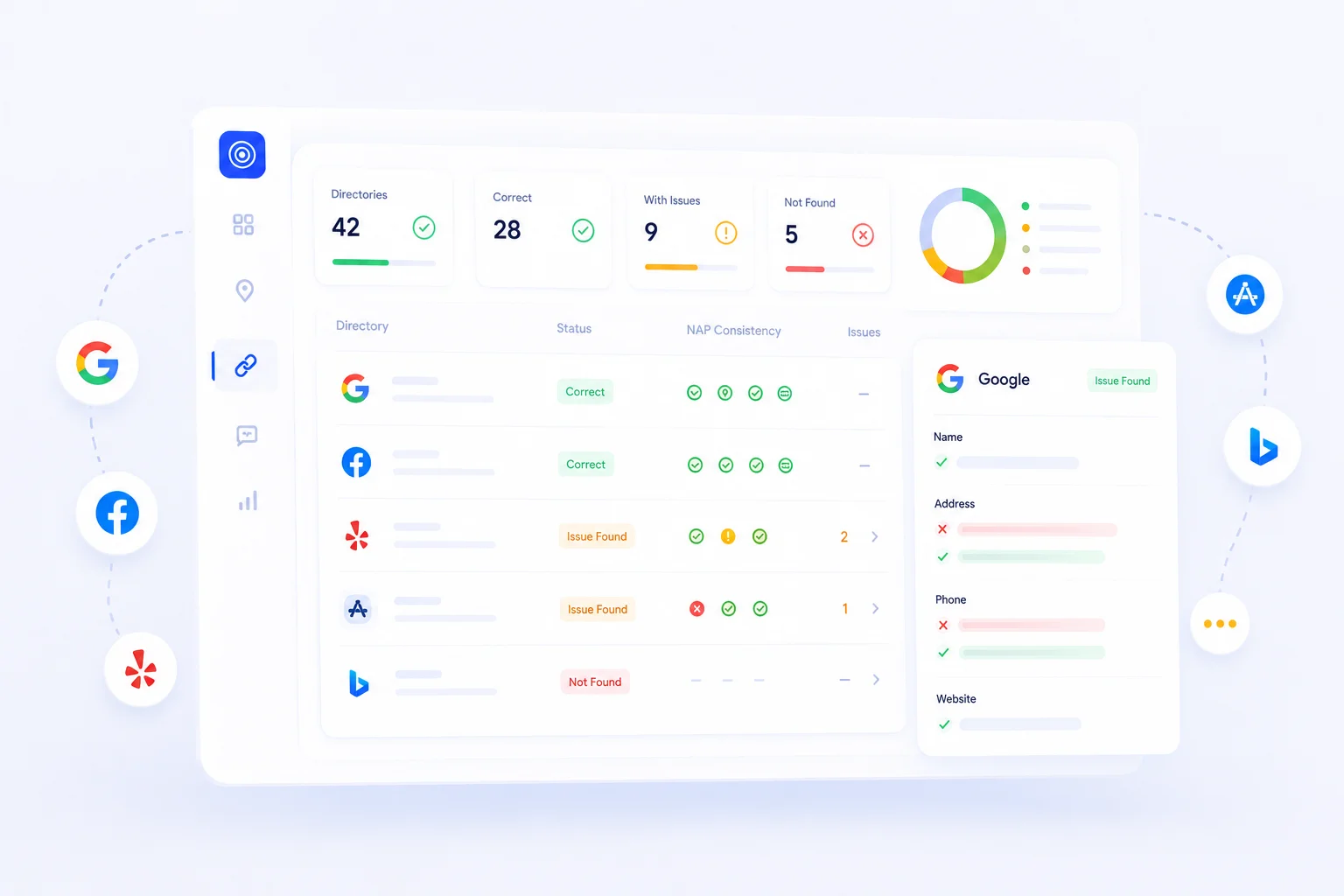
Geo-grid tracking shows which shopping postcodes find your store. GBP audits keep your photos, products, and hours current. Citation Management closes the loop on NAP consistency across the curated UK / US / CA / AU directory catalogue plus agent-discovered mentions across the wider web.
Playbook
Footfall-driving local SEO for retail
Every retail local SEO tactic eventually comes back to the same question. Is it easier for the customer to walk in here than to order it online? These tactics tilt the answer.
- 1
Photograph your actual products, not catalogue shots
Stock images look sterile. Real photos of products on your shelves, lit by your shop's lighting, reassure customers that what they see online exists in your store. Aim for 3–5 new product photos a week.
- 2
Populate the Products section of your GBP
Most retailers ignore the Products section entirely. Adding even a dozen hero items with photos, prices, and descriptions makes you match dozens of product-specific queries a month. It's 15 minutes of work for outsized return.
- 3
Add 'pickup / in-store shopping' to your attributes
These attributes surface filters in the Maps interface. Customers searching for a store with in-store pickup filter you in or out. Turn them on and check they match reality.
- 4
Get staff named in reviews
A review that names a specific team member ('Sarah spent 20 minutes helping me choose') creates a richer semantic signal and reads far more authentic than anonymous praise. Train your staff to close a good conversation with 'if you have a moment, a quick review mentioning any of us would be amazing'.
- 5
Track neighbourhood-level rank, not just city
Retail shoppers travel short distances. A boutique in a London suburb dominating for 'boutique in {borough}' is worth more than a ranking in the top 3 for 'boutique in London' because the intent is local. Grid-track the neighbourhoods you actually pull from.
FAQ