Local SEO for vet surgeries and animal hospitals
Pet owners don't shop around. When the dog is limping at 8pm on a Sunday, they pick the first vet in the Maps pack with four-star-plus reviews and an open sign. Veterinary is one of the most urgency-driven local verticals, and winning the pack is worth more than any referral programme.

The problem
Pet-owner intent is urgent, emotional, and one-shot
A dog off its food or a cat with a swollen paw triggers a Google search the same minute. The pet owner scans the top three Maps results, reads two reviews, and rings. Being the fourth pin means being invisible, and any negative review sitting without a response at the top of your feed is actively costing you bookings every weekend.
Emergency and out-of-hours searches are a huge share of revenue and happen at unpredictable times.
Pet owners read reviews more carefully than in almost any other healthcare-adjacent vertical.
Practice category choice ('veterinarian' vs 'animal hospital' vs 'emergency veterinarian service') changes your pack entirely.
Multi-branch groups often share one listing or get branches mixed up in Google's records.
How SearchOps fits
Own the pack when the phone would otherwise ring someone else
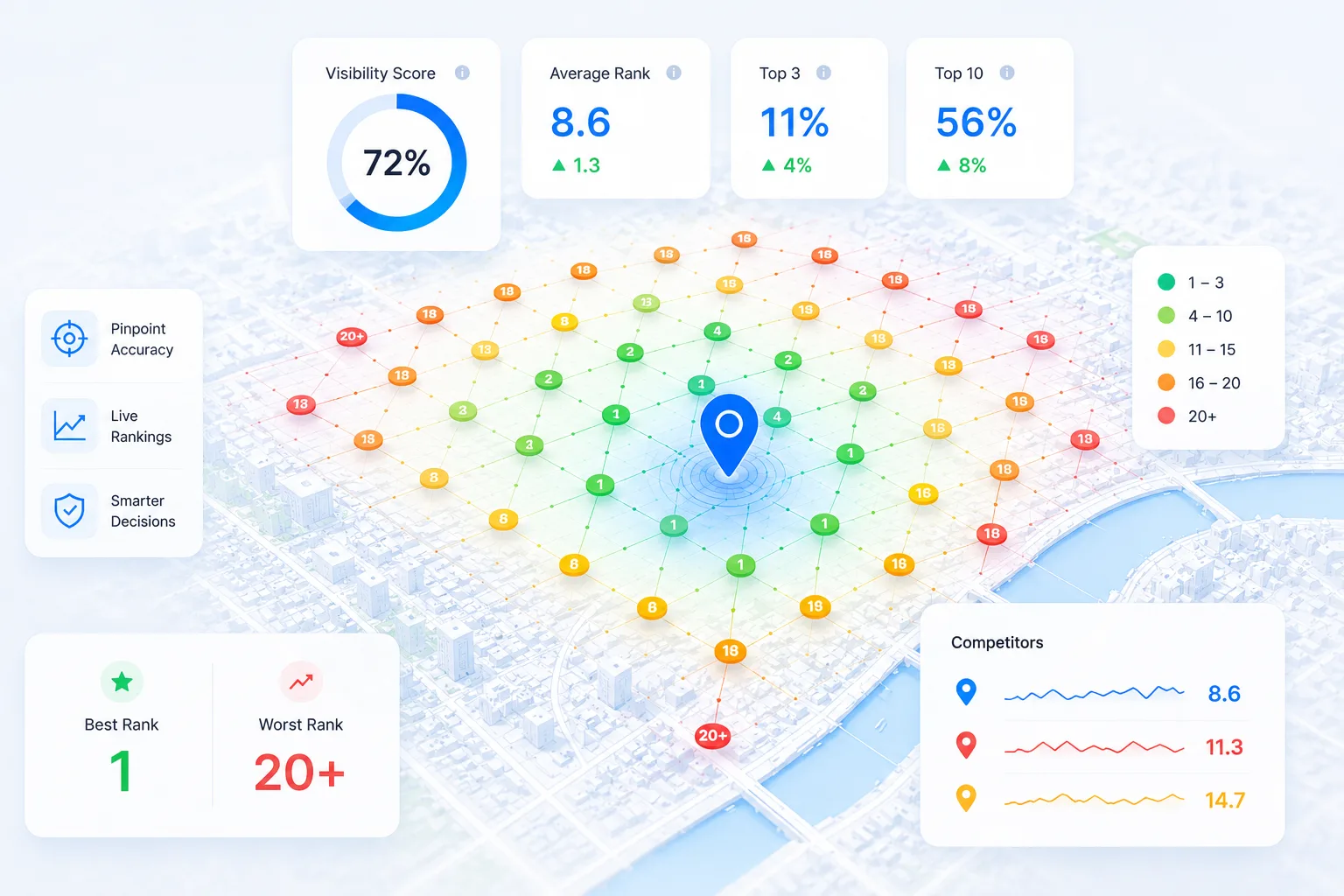
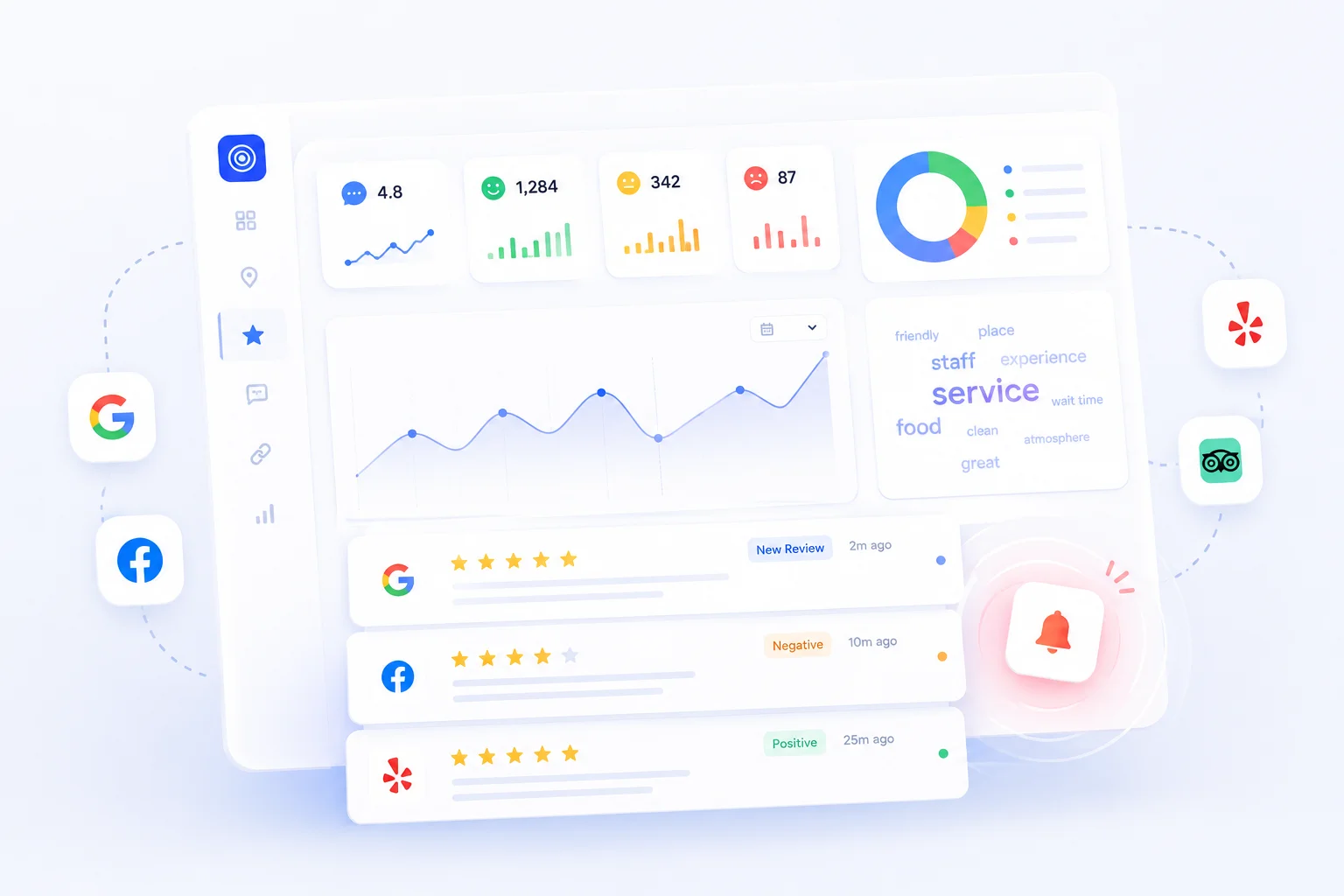
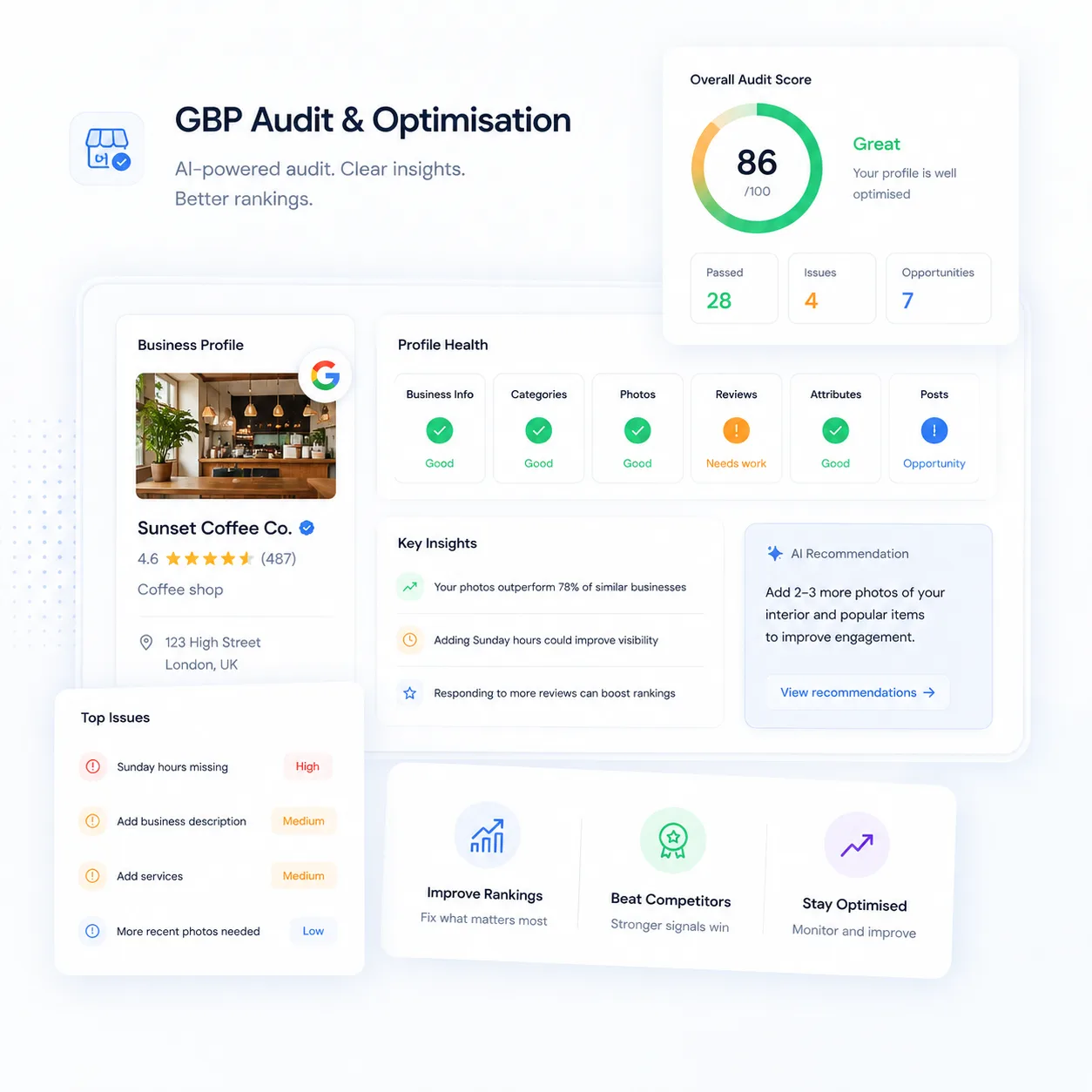
Geo-grid tracking shows which neighbourhoods find you when a pet owner searches 'vet near me' at 9pm vs Monday morning. Review monitoring pings you the moment a review drops so you can respond warmly while the visit is still fresh. GBP audits surface the weak spots (hours, emergency attributes, team photos) that separate a trusted practice from a forgettable one.
Playbook
Local SEO for vet practices
Veterinary local SEO rewards practices that treat the profile as seriously as the waiting room. These are the tactics we see work for independents and groups alike.
- 1
Pick the right primary category
'Veterinarian', 'animal hospital', and 'emergency veterinarian service' rank in entirely different packs. A small practice offering emergency hours that picks 'veterinarian' misses every out-of-hours search. Audit the top three competitors in your postcode and match the category that fits what you actually do best.
- 2
Turn on every emergency and after-hours attribute you qualify for
Google filters out-of-hours searches by these attributes. If you offer Saturday appointments, emergency triage, or a late-night phone line, every one should be switched on. These searches convert at 3-5x the rate of weekday morning searches because the caller is booking immediately.
- 3
Ask for a review at discharge, not by email three days later
Owners collecting a recovering pet are at peak relief. A card on the counter with a QR code and a short 'if Dr. X helped today, a quick review would mean a lot' converts 4-5x better than a follow-up email. Train reception to ask every satisfied owner in person.
- 4
Photograph your consulting rooms, waiting area, and team with animals
Pet owners judge trust on visible detail. Stock 'smiling vet with puppy' images are spotted instantly and quietly cost you bookings. Real photos of your actual rooms, team, and kit (with client and patient consent) signal competence more than any bio page.
- 5
Respond to every review compassionately, especially after loss
A proportion of reviews come from owners who lost a pet. Future clients read your tone more carefully there than anywhere else on the profile. A warm, human response to a grieving owner does more for new-client trust than 200 five-star reviews above it.
FAQ