Local SEO for private clinics patients are willing to pay for
The patient paying £180 for a private GP appointment or £250 for a physio session chose you over the free NHS alternative. That choice hinged on a ten-minute Google session: reviews, clinician photos, clear pricing, an obvious booking path. Every gap in that journey costs you a paying patient who can simply pick another private clinic down the road.

The problem
Private patients compare, then compare again, then judge your profile
A private GP, physiotherapist, aesthetics practitioner, or mental-health clinic is selling against a free NHS alternative. The patient choosing to pay is researching harder than almost any consumer — reading six reviews, checking whether clinicians are named, looking for transparent pricing. Any friction in the profile and they're on to the next clinic in the pack.
Paying patients research significantly more than NHS patients — every profile detail either converts or deters.
Clinician credentials and named bios matter hugely — generic 'our team' copy loses to clinics that name every practitioner.
Categories are fragmented across private GP, physiotherapist, aesthetic clinic, counsellor — picking badly means ranking nowhere.
Reviews cluster around individual clinicians, so when one moves on the profile risk is significant.
How SearchOps fits
Convert every researcher into a paying patient
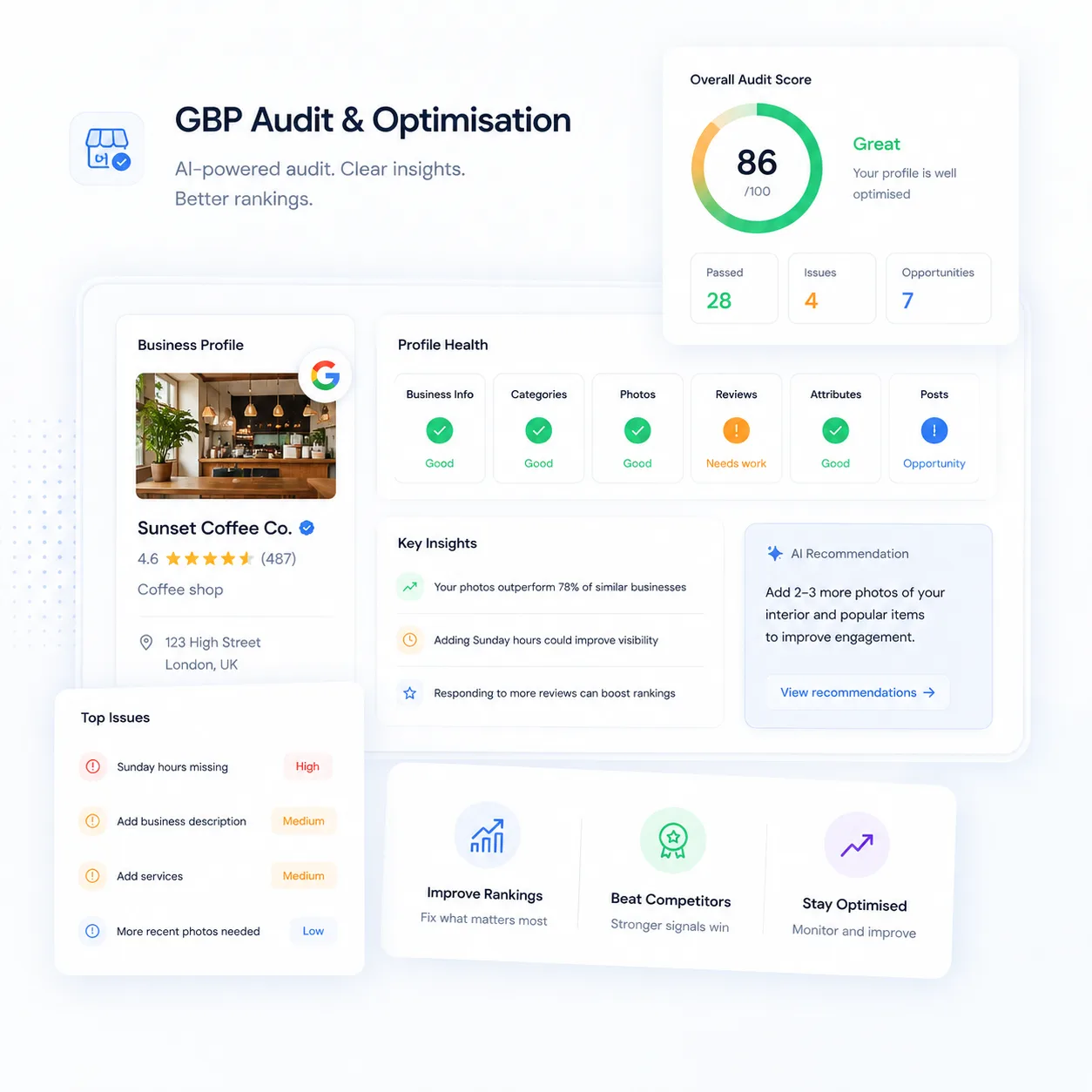
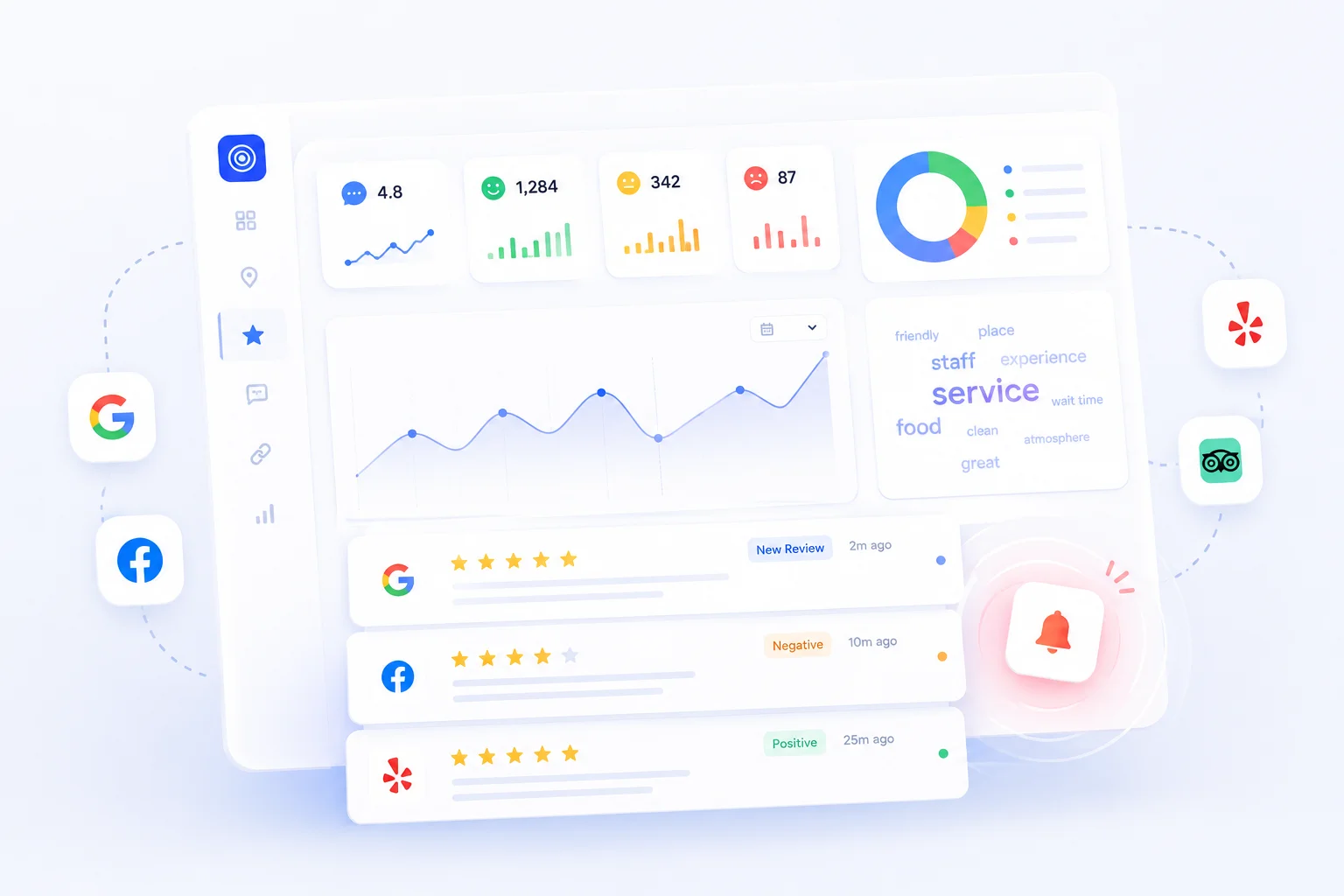
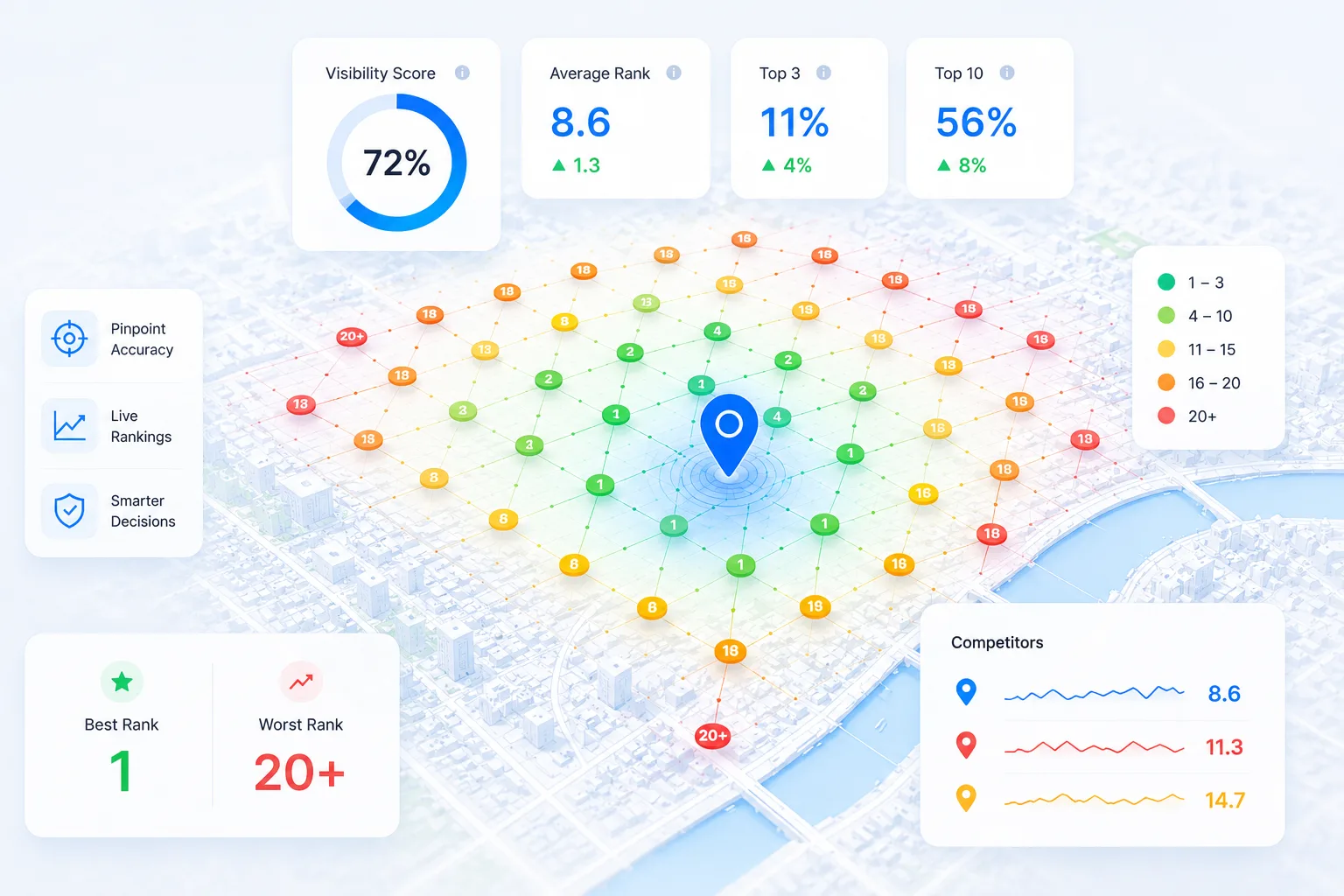
GBP audits find the missing clinician bios, unclear pricing, and empty Service fields that paying patients notice immediately. Review monitoring alerts you the same day so clinicians respond compliantly and compassionately within Google's 24-hour freshness window. Geo-grid tracking reveals which suburbs actually find you when a private patient searches at the weekend.
Playbook
Local SEO for private clinics
Private healthcare is a high-trust, high-margin, high-research purchase. These tactics are what separate clinics that fill their diaries from clinics that chase.
- 1
Name and profile every clinician
Headshot, specialism, credentials (GMC, HCPC, BACP numbers where relevant), and a two-line bio. Paying patients want to see who they're paying. Generic 'our team is experienced' copy is read as evasive and quietly loses bookings to clinics that name names.
- 2
Show transparent pricing in the Services section
Private patients filter on price before they filter on anything else. Hiding pricing to force a phone call costs you the ones who would have booked. List consultation fees, common-service prices, and a from-price for bespoke work. Clarity converts.
- 3
Use secondary categories for every specialism you offer
A clinic offering private GP, minor procedures, and aesthetics should list all three as secondaries. Each opens its own local pack with its own intent. 'Medical clinic' as a lone category is generic enough to rank for nothing competitively.
- 4
Ask for a review after the second visit
Private retention depends on repeat visits. The first visit is a try-out; the second is the commitment. Asking for a review after visit two captures patients who've genuinely committed, produces higher-quality reviews, and avoids awkward first-impression regrets.
- 5
Track branded clinician searches separately
Private patients often search by practitioner name after a referral or podcast mention. If that SERP points them to an old directory profile or a competitor with a similar name, you've lost them. Track named-clinician searches and defend each one with a verified profile.
FAQ