Local SEO for independent opticians and eyewear practices
Specsavers buys the ads. Vision Express owns the high street. The independent optician three streets over has better frames, faster service, and nobody knows they exist. Winning local SEO is the difference between being discovered and being invisible to the customer who would have spent £500 on new glasses at a chain purely because Google told them to.

The problem
Chains dominate by default. Independents win by showing up.
A customer searching 'opticians near me' sees three chain locations before they see an independent. Every independent that doesn't obsess over its profile leaves the ground uncontested. Yet when independents do nail the basics — recent photos, specialism categories, review velocity — they outrank chains locally, because chains template every branch and Google rewards authenticity.
Chain saturation means defaults favour them — independents need to outperform on profile detail to show up.
Specialist categories (children's eyewear, dry eye clinic, contact lens specialist) open up packs chains ignore.
Reviews are highly clinician- and frame-specific — independents who collect them well dominate locally.
Private hearing tests, domiciliary visits, and specialty fittings are growth areas rarely reflected in GBPs.
How SearchOps fits
Beat the chains on the searches they template past
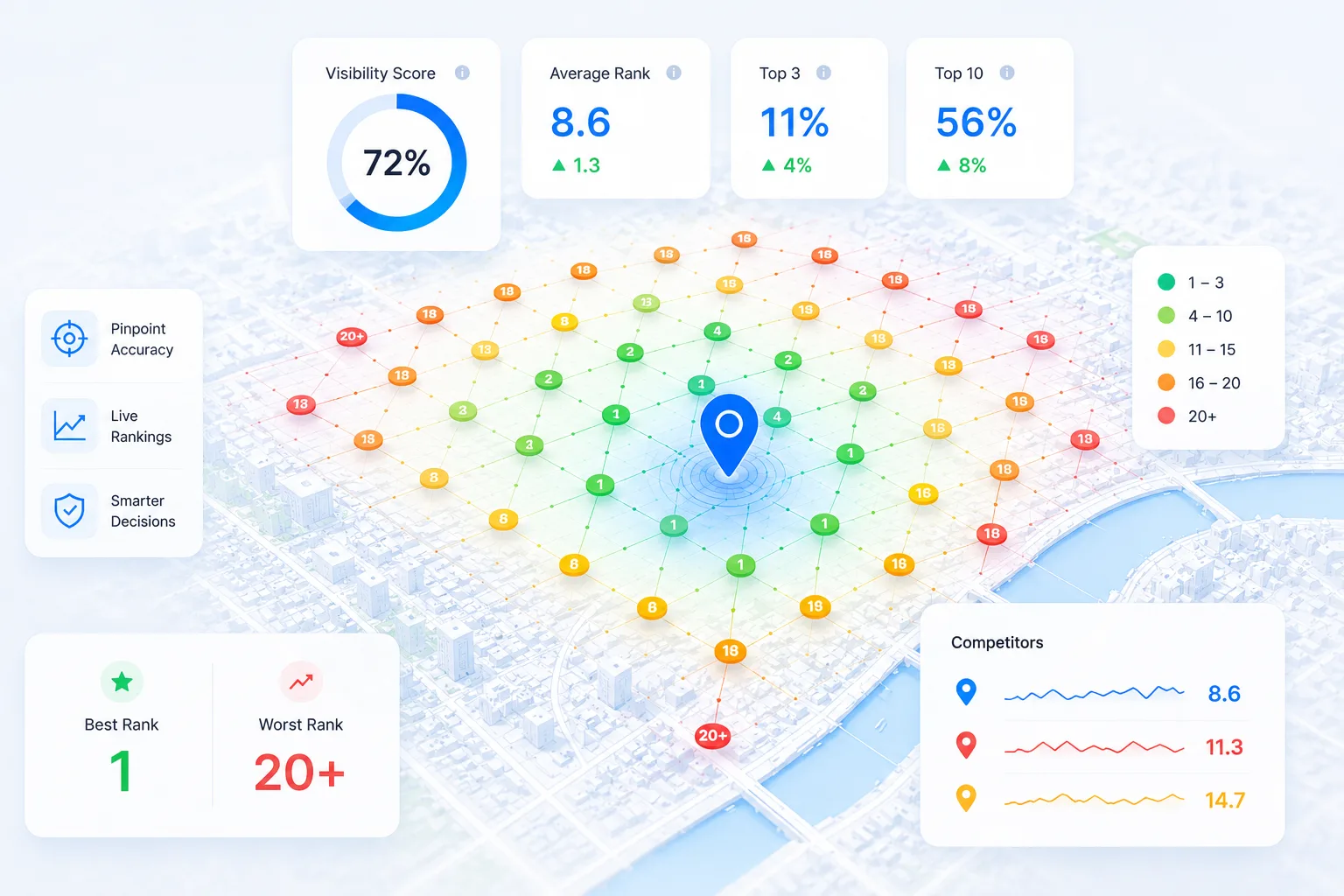
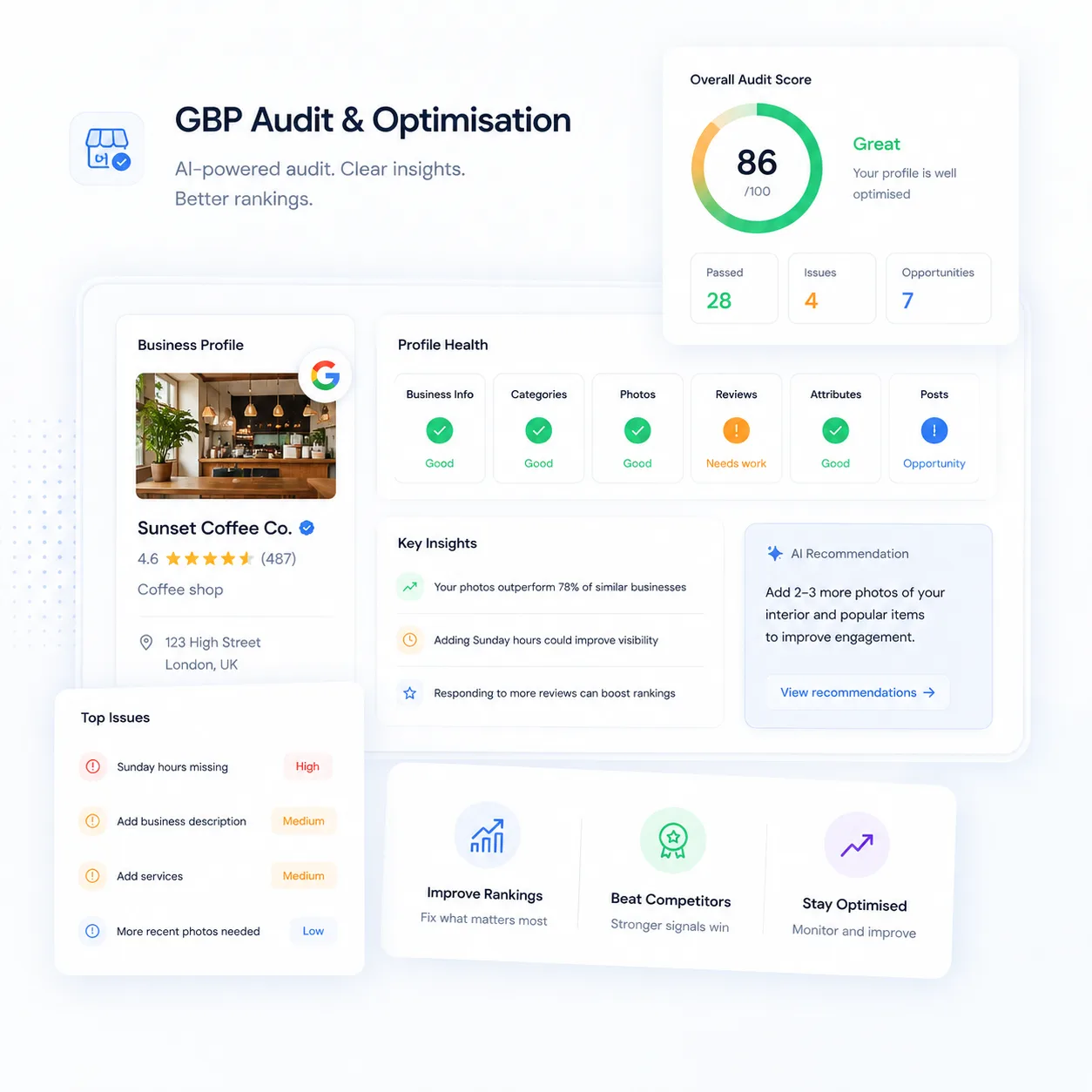
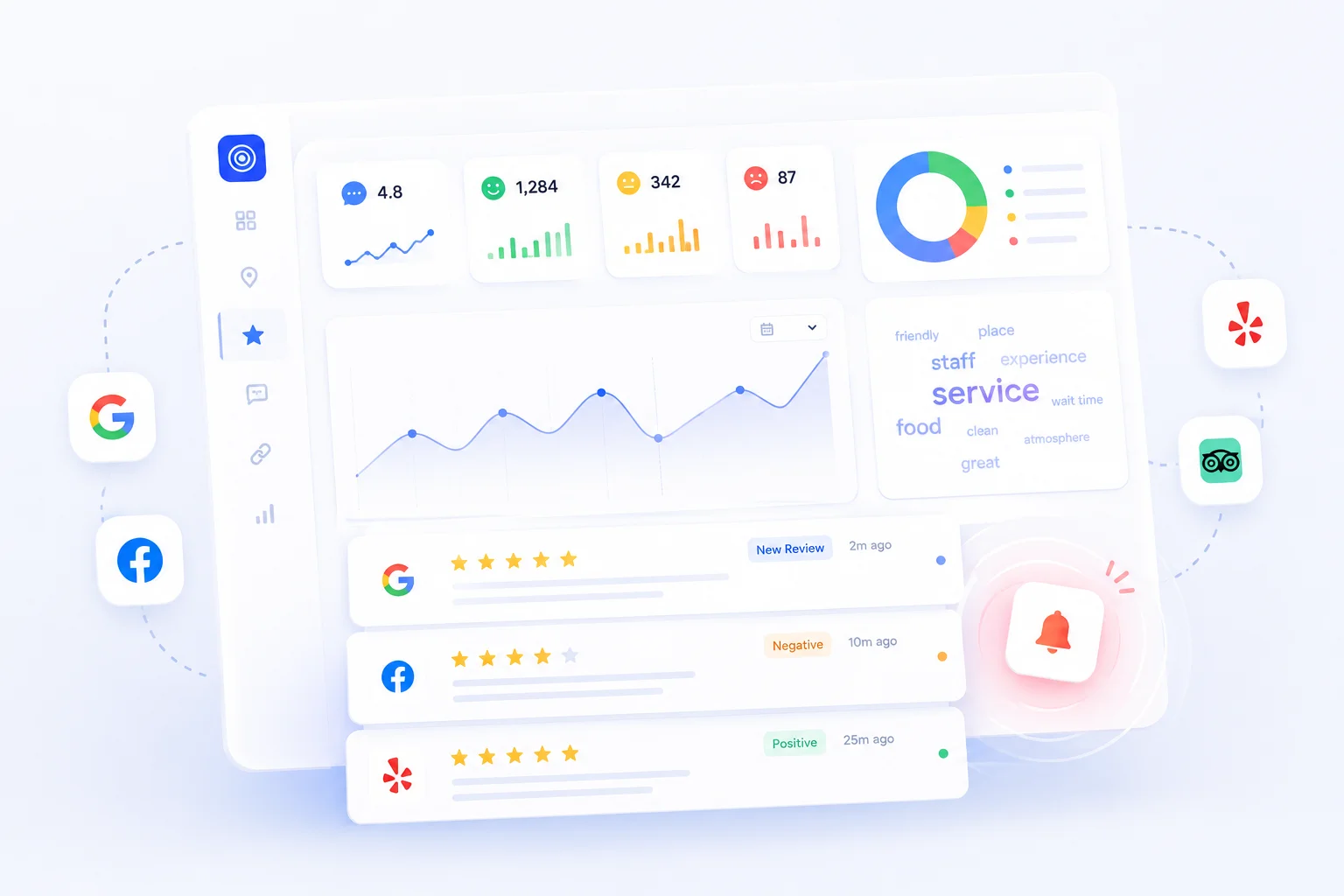
Geo-grid tracking surfaces the postcodes where chains are weak and independents can win — usually not where you'd guess. GBP audits flag the frame photos, specialism services, and missing attributes that separate a premium independent from a tired template. Review monitoring catches every new review the day it lands so your optometrist can respond personally, which no chain branch ever does well.
Playbook
Local SEO for independent opticians
Chains win on budget and paid placement. Independents win on profile quality, specialism targeting, and review velocity. These tactics close the gap.
- 1
Pick the most specific primary category
'Optometrist', 'Optician', and 'Contact lenses supplier' each rank in different packs. An independent heavily focused on contact lens fittings picking 'Optician' as primary misses every contact lens search. Lead with the most specific match to your best-margin work.
- 2
Add every specialism as a secondary or service
Children's eyewear, sports eyewear, dry eye clinic, low vision, specialty contact lens fitting — each as a Service or secondary category. Most chains leave these blank because their templating process can't handle branch-specific variation. That's a free pack per specialism for any independent who fills them in.
- 3
Photograph your frames, test rooms, and team
Specialist independent opticians often stock frames chains don't. A wall of hand-selected frames in your actual shop, with lighting that shows the colour, converts visitors who'd otherwise default to the chain. Stock manufacturer imagery looks like the chain website and quietly discourages walk-ins.
- 4
Collect reviews that name the optometrist and the service
'Jamie did my eye test and spotted a prescription change the chain missed last year' ranks for Jamie, ranks for eye test quality, and converts better than any number of 'great service' reviews. Train the dispensing team to ask for named-service reviews after specialty work.
- 5
Run a postcode-level grid scan
Chains are weaker than averages suggest in specific postcodes — usually where their branch is just a templated refresh and yours is a local institution. The grid shows you exactly which streets you can dominate. That's also where door-drop and local PR spend lands best.
FAQ