Local SEO for medical practices that turn searches into patients
Healthcare is one of the highest-trust local verticals. Patients read reviews, check profiles, and compare three clinics before they book. And Google knows it, weighing review velocity and profile completeness harder here than almost any other sector.

The problem
Patients compare. Then compare again.
A patient searching for a new dentist reads three profiles, checks eight reviews, and googles the name of the practice before booking. Every step that goes badly. A missing photo, a 2-star review with no response, an outdated opening hours banner. Loses the booking. Getting these details right is the difference between a full appointment book and a thin one.
Review volume and recency matter more in healthcare than in most sectors.
Patients check profile completeness as a proxy for practice quality.
HIPAA/GDPR constraints mean responding to reviews takes more care than just 'thanks, glad you enjoyed it'.
Category accuracy matters. 'general practitioner' and 'family medicine' match different searches.
How SearchOps fits
Complete profile, responsive reviews, proven ranking
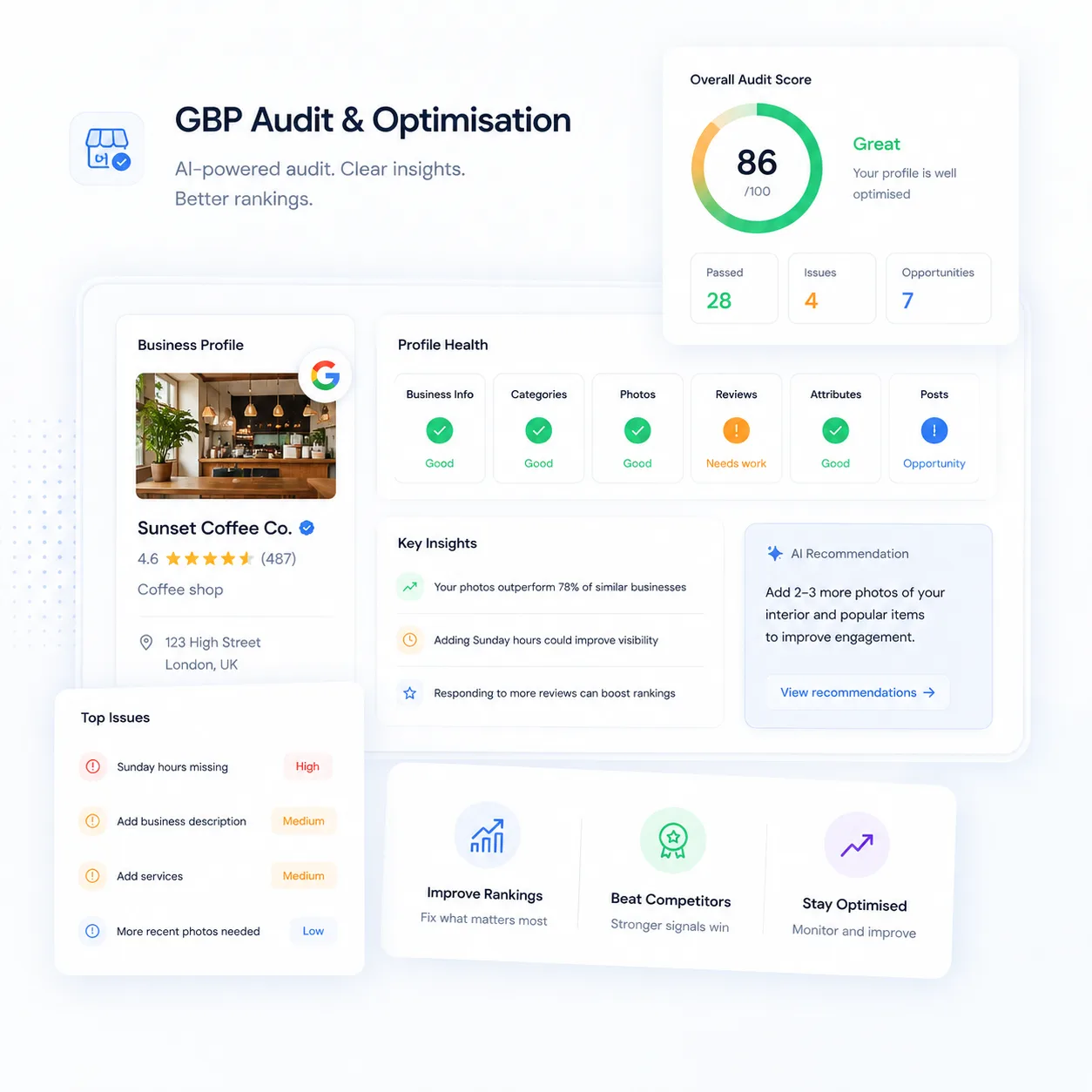
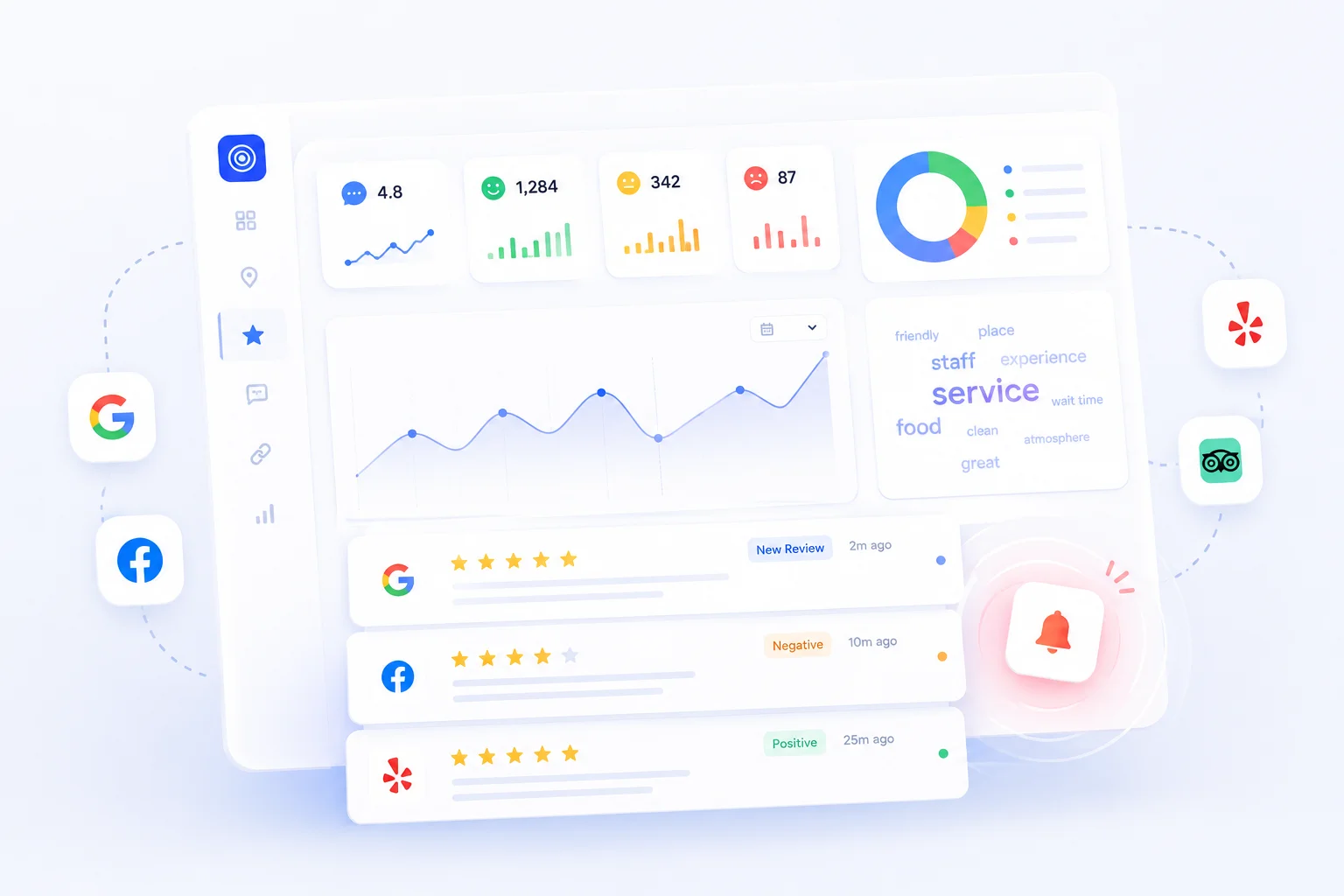
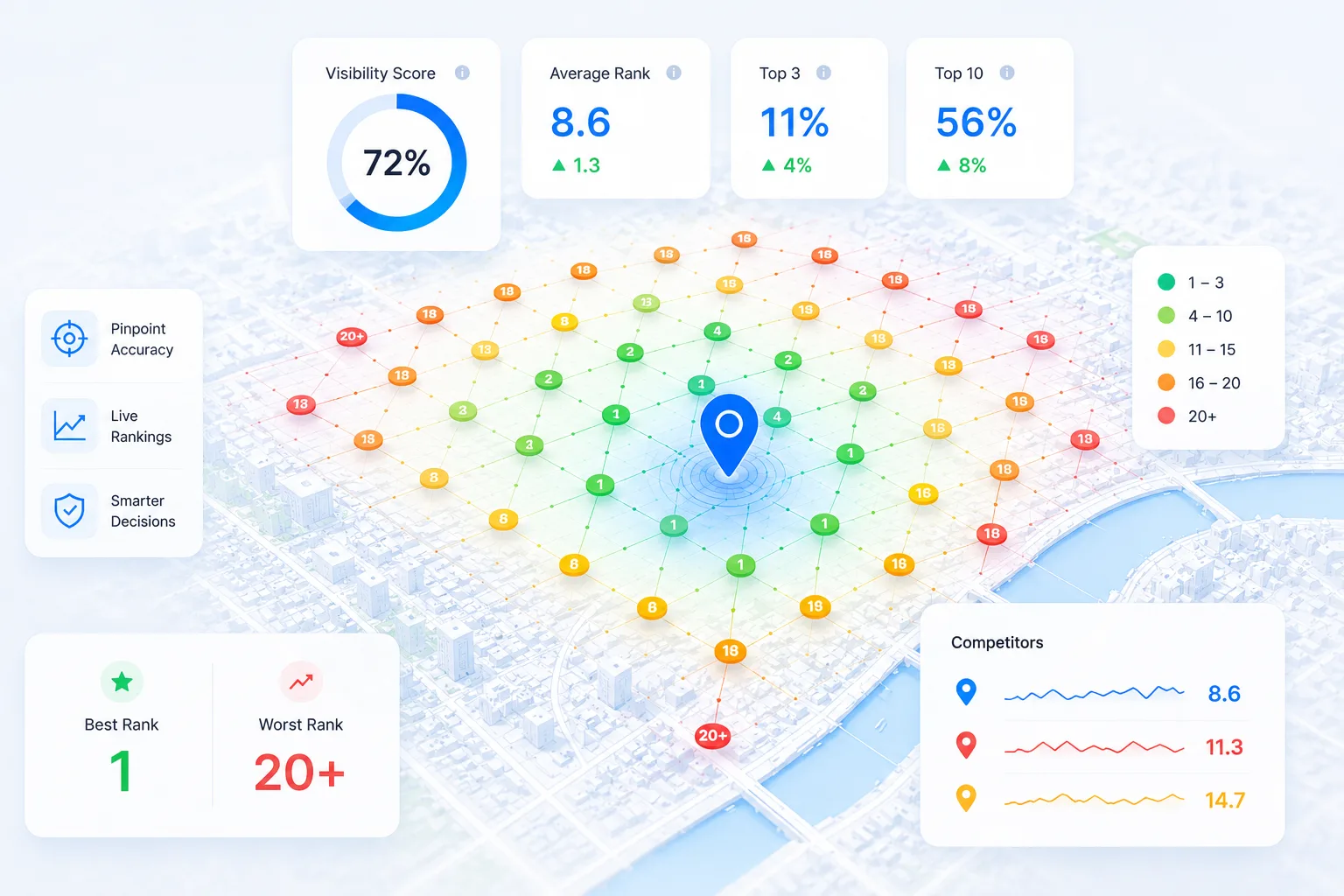
GBP audits surface the details patients use to judge you. Photos, hours, services. Review monitoring alerts you in minutes when a new review drops so you can respond inside the 24-hour window Google rewards. Geo-grid scans show which neighbourhoods actually find you when they search.
Playbook
Local SEO for medical practices
Healthcare local SEO rewards patience and consistency over clever hacks. Here's what actually moves the needle for dental, medical, and veterinary practices.
- 1
Get photos of actual staff and actual rooms
Stock photos are identifiable on sight and the moment a patient spots one, trust goes down. Use real photos of your reception, your chairs, your team. Aim for 15–20 authentic images across the categories Google lists (exterior, interior, team, at work).
- 2
Ask for a review before they leave reception
A patient walking out with a good experience is 5x more likely to leave a review than the same patient three days later. A simple card at checkout. 'if you have a moment, we'd love a Google review'. Will double your review velocity over six months.
- 3
Respond to every review without disclosing any details
Privacy rules mean you can't confirm or deny someone was a patient. The safe template: thank the reviewer, note that privacy prevents you discussing specific treatment, and invite them to call the practice to discuss. That phrasing reads well, stays compliant, and Google counts the response.
- 4
Use secondary categories for every condition you treat
A dental practice might have 'dentist' as primary, but secondaries covering 'cosmetic dentist', 'paediatric dentist', 'orthodontist' match patients searching those specific terms. Add only ones you genuinely offer. Google down-ranks over-claiming quickly.
- 5
Track the suburbs where your patients actually live
Most patients travel to their practice, not from nearby. Grid-track the suburbs where your patient database is concentrated, not just your practice address. That's where new patients are searching from.
FAQ