Maps-first tactics for restaurants, hotels, and venues
A hungry diner on a Friday night isn't typing long-tail queries into Google. They open Maps, look at the pins around them, read a review or two, and pick one. Hospitality is the most maps-dependent vertical in local SEO, which means every detail of your profile is a conversion lever.

The problem
Discovery happens on the map, not the search page
Restaurant and hospitality discovery has collapsed onto Google Maps. A diner decides in the walk between the cinema and dinner, a hotel guest checks ratings as the taxi pulls up. Your website matters almost not at all next to the 500ms decision someone makes staring at pins on a screen.
Review star rating and volume drive foot traffic more than price point.
Photo freshness is a Google signal. Stale photos downrank you against fresh competitors.
Peak-hour visibility is a separate game from off-peak visibility.
Menu item search has become a real query type. 'vegan pizza near me' now routes to places whose menu items are indexed.
How SearchOps fits
Own the pins, own the reviews, own the hour
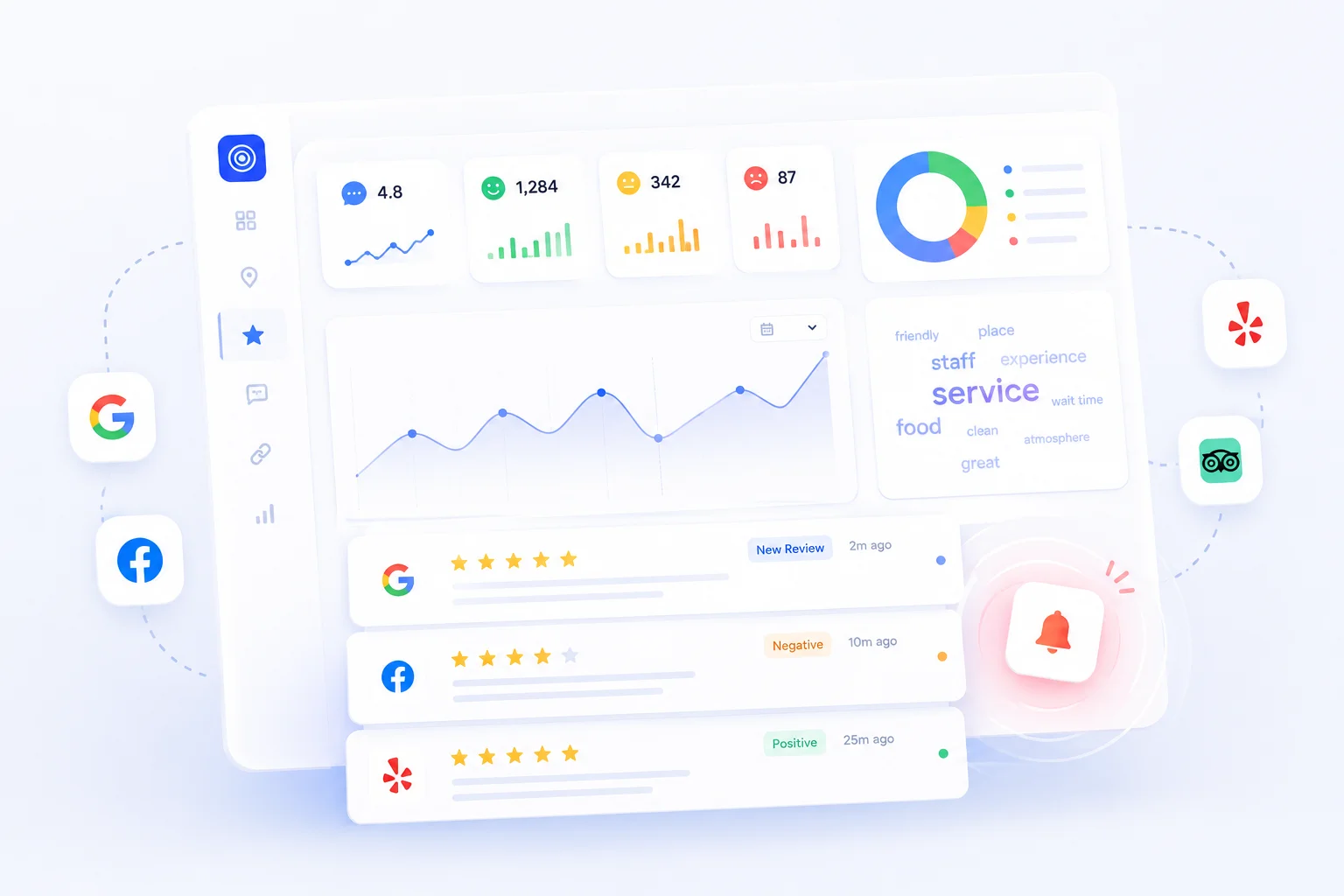
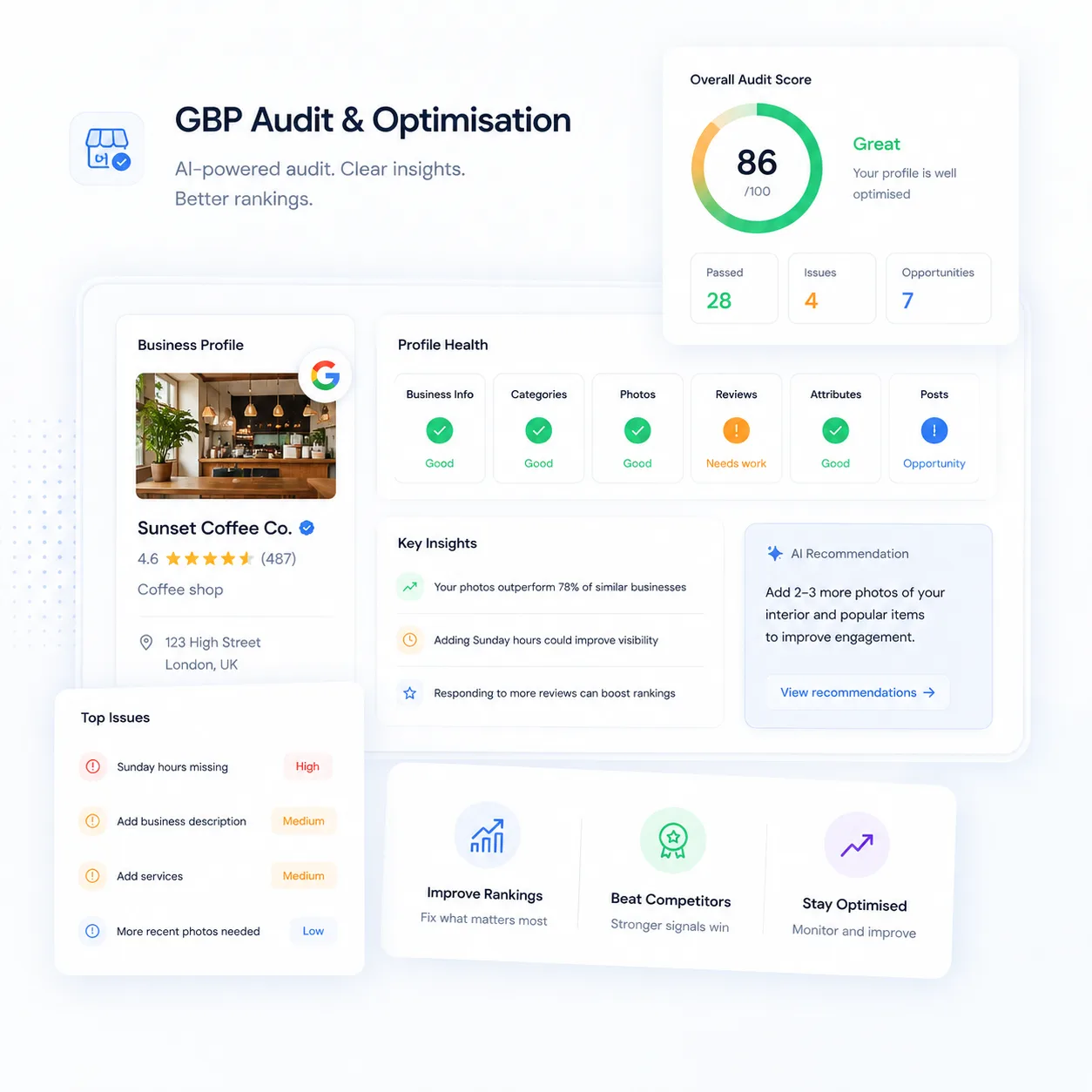
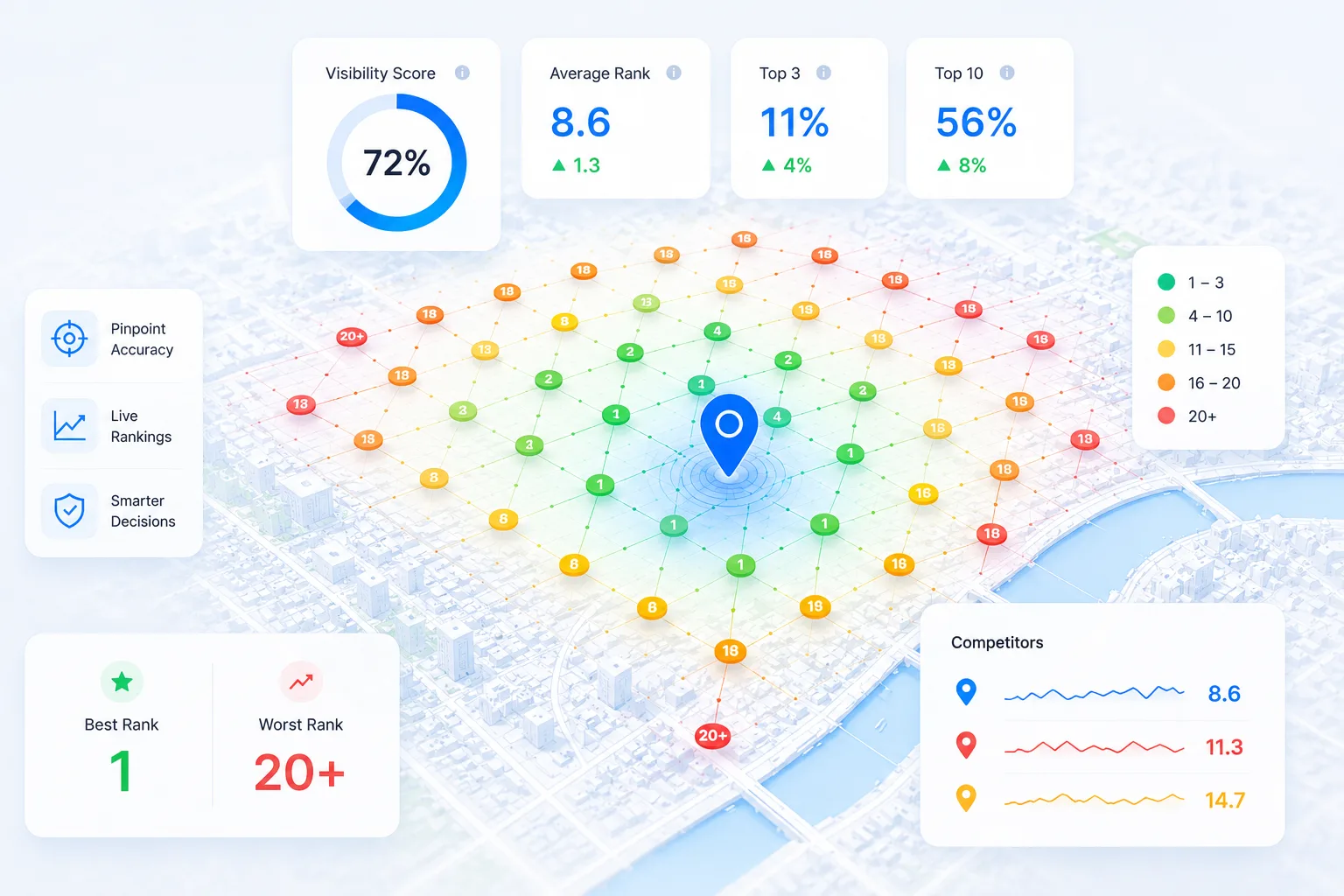
Review monitoring surfaces new reviews the same day so you can respond while the customer still remembers the meal. GBP audits keep your photos, hours, and menu items fresh. Geo-grid tracking shows which neighborhoods you dominate at dinner vs. lunch.
Playbook
Maps-first tactics for restaurants and hotels
In hospitality, the tactics that move your rating 0.1 of a star or your photo impressions by 20% are more valuable than any other SEO work. Here's what we see work.
- 1
Refresh photos every 60 days
Google rewards freshness on GBP photos. Upload 5–10 new photos every two months. A seasonal menu item, a new interior detail, a Saturday-night-packed shot. Your photo impressions will climb and your profile stays in the algorithm's 'active' tier.
- 2
Add menu items as products
Most restaurants leave the products section blank. Adding your top 10 dishes as products, with photos and descriptions, lets Google match you to dish-specific queries ('best margherita near me'). It's one of the highest-leverage unused GBP fields.
- 3
Encourage reviews that mention specific dishes
Generic 'great food' reviews rank you for nothing specific. Reviews that mention dish names, the server, or the occasion create semantic signal. Train your staff to ask 'would you mind mentioning the {dish} in a review if you enjoyed it?' after the main.
- 4
Keep special hours obsessively up to date
Bank holidays, summer hours, a one-off closure for a private event. Any mismatch between what Google says and reality tanks trust. Build it into your opening-closing checklist.
- 5
Post weekly specials as GBP posts
Google's weekly specials feature sits above reviews on mobile. Most restaurants never use it. Post every Monday with the week's menu highlights, happy hour times, or event. Each post is a small keyword and freshness signal.
- 6
Track your rank at dinner hours, not noon
Google's personalisation means ranks shift by time of day. Set your scheduled scans to run at 6pm local, not midnight. The numbers that matter are the ones your customers see when they're deciding.
FAQ