Local SEO for dealerships and automotive service businesses
Automotive customers are radius-driven and ruthless. A breakdown at the side of the M25 is a different search intent than a scheduled MOT, and both decide on the top three results. Local SEO is the difference between being the obvious choice and being the forgotten one.

The problem
Intent is urgent and competition is commoditised
A 'tire fitter near me' search is urgent. Someone has a flat, right now. A 'BMW service near me' search is less urgent but more valuable. Both happen in the space of a breakfast coffee, and both are lost to whoever owns the top three results. The service itself is commoditised; the only differentiator is discoverability and reputation.
Urgency drives a disproportionate share of automotive queries. You rank or you don't exist.
Review count and recency matter enormously in a trust-scarce industry.
Multi-location dealership groups need per-branch dashboards, not chain averages.
Service-specific category choice (e.g. 'oil change service' vs. 'car repair') affects ranking substantially.
How SearchOps fits
Be the first name the search returns
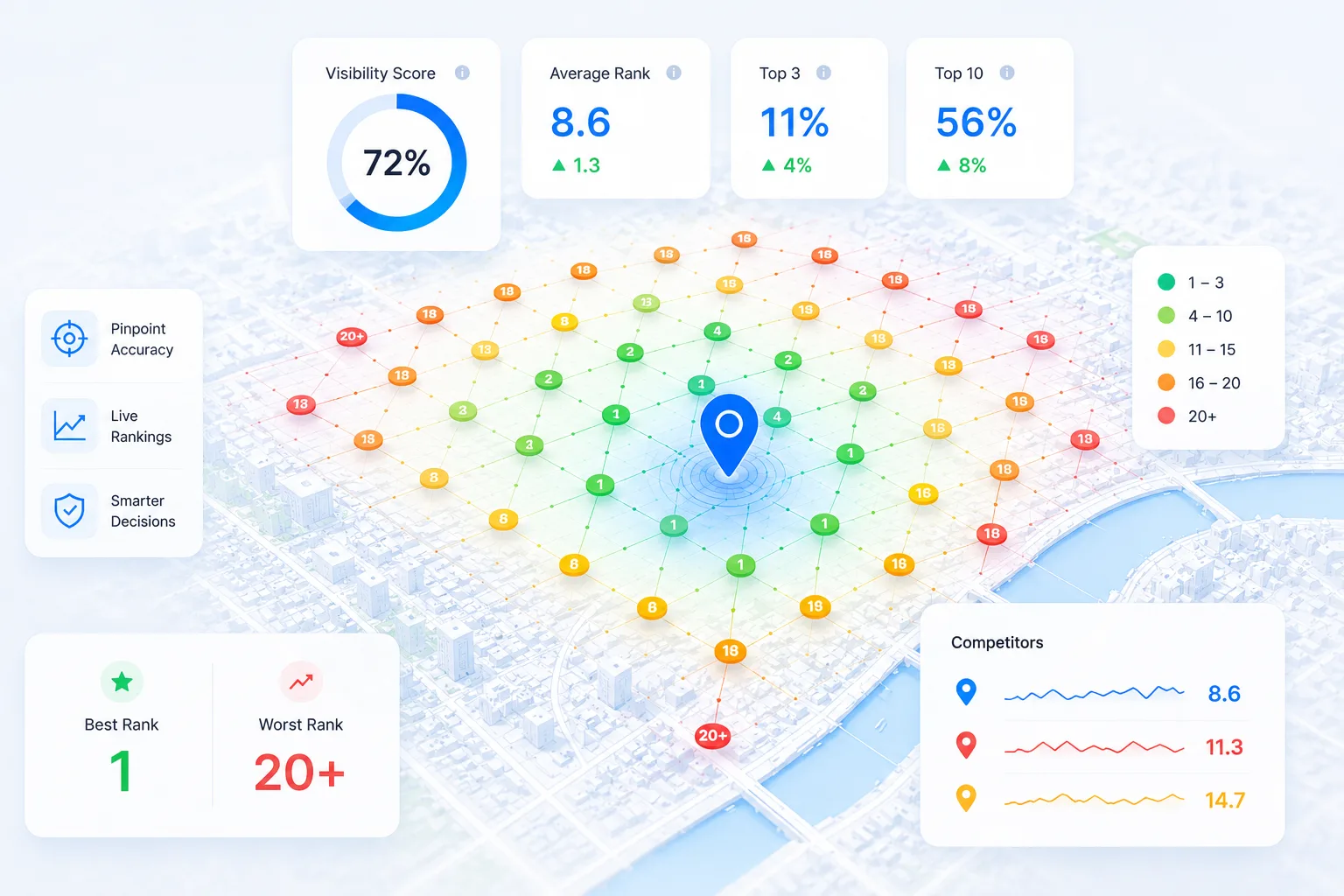
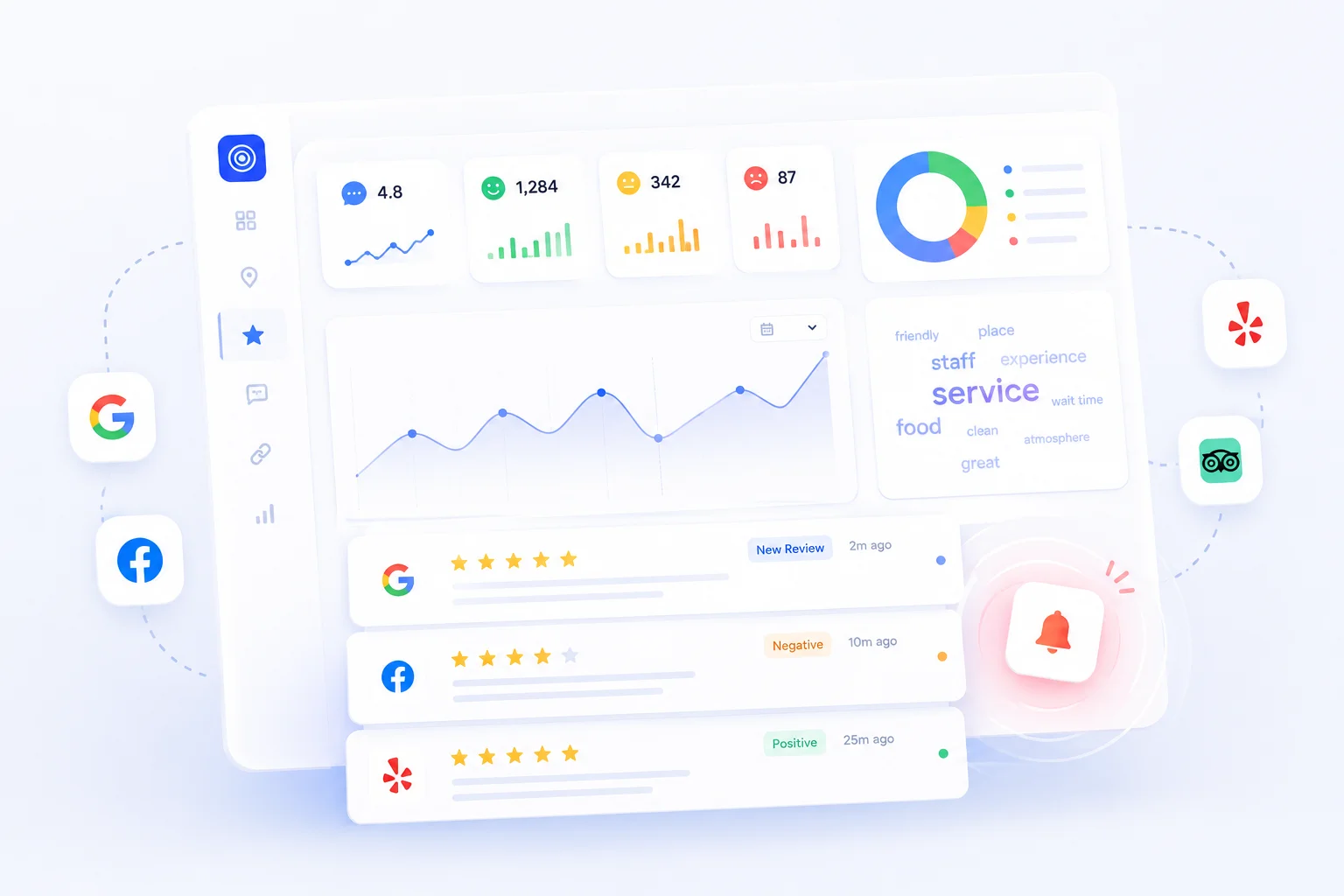
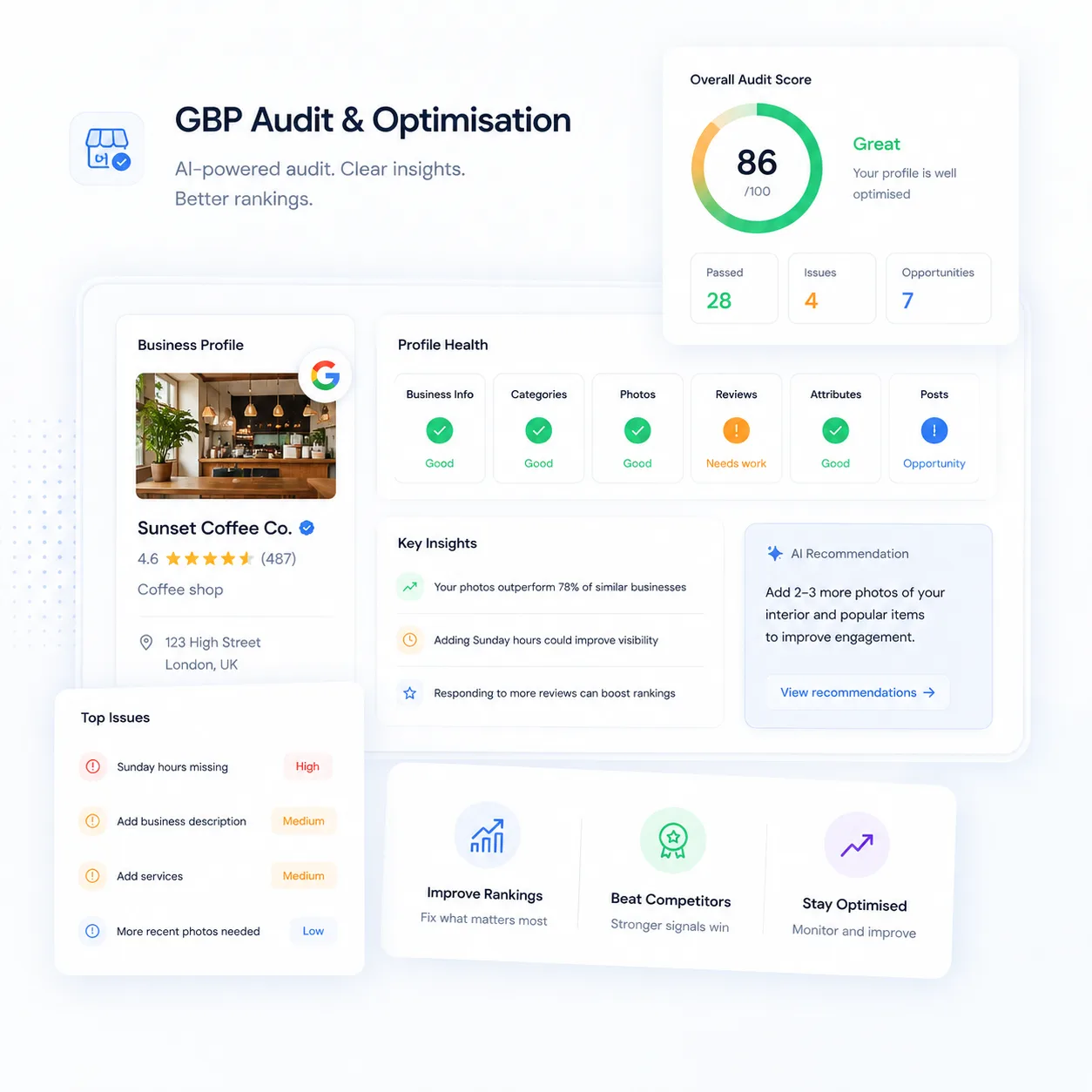
Geo-grid tracking shows your visibility across the whole service area at the time of day customers actually search. Review monitoring alerts let you respond to a negative review before it sits unchallenged through the weekend. GBP audits find the fixable gaps that separate you from the pack.
Playbook
Local SEO for automotive businesses
Automotive local SEO comes down to being findable at the moment of need and trustworthy enough to earn the call. These are the patterns we see pay off.
- 1
Pick the most specific service category
'Car repair' ranks for every service query and wins none of them. 'Brake shop', 'tire shop', 'transmission service' each rank in their own pack. Lead with the service that's highest-margin for you and use secondaries for the rest.
- 2
Photograph your bays, staff, and vehicles
Nothing signals a legitimate repair shop like photos of the actual bays, tools, and team. Stock images of 'happy mechanics' are transparent on sight. Real photos. With your shop name visible somewhere. Build the trust that converts clicks into calls.
- 3
Ask for a review when you hand over the keys
The moment of maximum goodwill is when a customer gets their car back working. Train your service writers to ask for a Google review then. Printed on the invoice, QR code on the key ring. Conversion rate on that ask is 3–5x higher than any follow-up email.
- 4
Track rank at the actual times customers search
Most breakdown searches happen on weekday mornings and Saturday afternoons. Schedule your rank tracking for those windows. Midnight rank is a different rank, and the midnight number is a lie for your actual business.
- 5
Respond to every bad review without getting defensive
Automotive reviews skew negative because people only write when something goes wrong. A calm, professional response that offers to fix the issue privately signals trust to every future customer reading it. The review isn't for the reviewer. It's for the next prospect.
FAQ